
What Does a Psilocybin Journey Really Feel Like?
A psilocybin journey can be visual, emotional, physical, spiritual—or difficult to describe at all. Here is what clients commonly experience and why every journey unfolds differently.
One of the most common questions people ask me before a psilocybin journey is: What will it actually feel like?
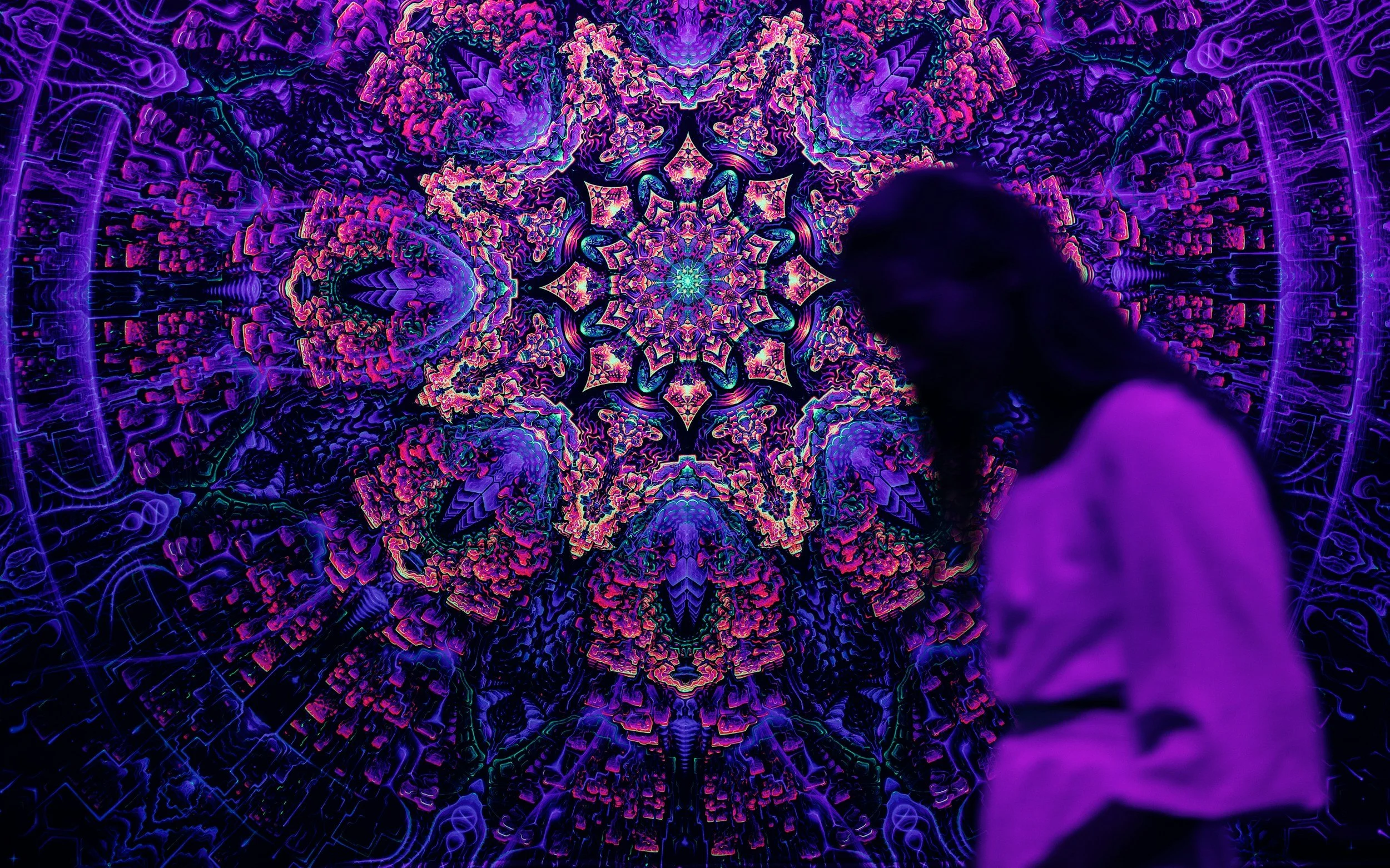
The honest answer is that no two journeys are exactly alike. A journey may be filled with vivid imagery, or there may be very little to “see.” It may bring forward memories, emotions, physical sensations, insights, or a quieting of the mind. Sometimes the meaning feels clear. Other times, understanding emerges gradually afterward.
One client described the experience this way:
“I felt myself flying above my life, seeing everything all at once. I could drop into a particular event and see what was happening, but I was removed from it. I had a perspective I had never had before. It was powerful and liberating. I saw how everything was connected.”
That sense of seeing one’s life from a new perspective is something I hear about often, but it is only one way a journey may unfold.
A Dreamlike Experience—With Awareness
Psilocybin journeys often speak through the language of dreams: metaphor, symbols, memories, colors, people, or deeply personal scenes. Some people experience patterns or sacred geometry. Others revisit the past or imagine possibilities for the future.
As one person shared:
“My journey was like being in a dream, but consciously aware and able to make choices—to dive deeper into difficult experiences from my past or lean toward the uplifting beauty of my past, present, and future.”
Not every image should be interpreted literally. Often, the useful question is not, “What does this symbol officially mean?” but, “What did it evoke in me?”
Not Every Journey Is Highly Visual
People sometimes expect a spectacular visual experience and wonder whether the medicine “worked” if that does not happen. Yet a journey can be powerful without being especially visual.
For some, grief, love, fear, compassion, or relief move through in waves. For others, the shift is mental—a pause in rumination or a new view of a long-standing concern.
One client felt able to access issues in a way talk therapy had not reached. Another left with the sense that answers would continue to emerge over time. This is one reason integration matters: not everything needs to be understood during the journey itself.
The Body May Be Part of the Journey
Psilocybin experiences can also be deeply somatic. People may notice temperature changes, tingling, trembling, shaking, waves of energy, heaviness, lightness, nausea, or the need to stretch and move. Others experience very few physical sensations.
One client said:
“My experience was more somatic and physical than I expected. For me, it felt as though step one was releasing the stress my body had held for decades. It was not focused on the visualizations you often hear about.”
Another journey began with “themes of sorrow, death, and pain” accompanied by tremors and shaking, before shifting toward “joy, compassion, gratitude, and loving-kindness.”
These experiences can feel intense, which is why preparation, screening, individualized dosing, a supportive setting, and an attuned facilitator matter. Physical sensations should not automatically be given a medical or symbolic meaning; health concerns deserve appropriate medical evaluation.
Can a Journey Be Challenging and Still Be Valuable?
Yes. A meaningful journey is not always a blissful one.
Psilocybin may bring people close to grief, fear, shame, difficult memories, or aspects of themselves they have avoided. A challenging experience is not necessarily a “bad trip,” and a higher dose does not guarantee a better result. The goal is not to overwhelm someone. Dose, setting, preparation, history, sensitivity, and intentions all matter.
One person called the experience “very challenging, and also very rewarding,” adding that preparation was essential. Another said support helped them face difficult imagery and respond differently to familiar triggers.
Good facilitation does not mean controlling the journey. It means offering calm support, respecting the client’s autonomy, and allowing the experience to unfold.
Sometimes the Shift Is Quiet
Not every journey produces a dramatic revelation. The shift may be subtle: more emotional space, greater self-compassion, a softer relationship with the past, or a growing ability to set boundaries.
One client recognized that they could love family members without carrying responsibility for everything that might happen to them. Another felt reassured by a spiritual sense that “all is going to be okay” and found it easier not to hold stress so tightly.
These are personal experiences, not promises of a particular clinical outcome. Psilocybin is not appropriate for everyone, and the process requires thoughtful screening and preparation.
Your Journey Will Be Your Own
A journey may feel beautiful, confusing, uncomfortable, freeing, tender—or many of these within the same day. You may receive a clear message or leave with questions. You may see extraordinary imagery, or experience the journey mostly through emotions and the body.
There is no single “right” way to journey.
At Sacred Healing Colorado, I approach each person individually, with preparation, thoughtful dosing, a comfortable setting, and integration afterward. The purpose is not to chase a dramatic experience. It is to create the conditions in which you can listen inward, feel supported, and work with whatever arises.
If you are curious about whether a legal, supported psilocybin experience in Colorado may be appropriate for you, you are welcome to reach out for a consultation.
